
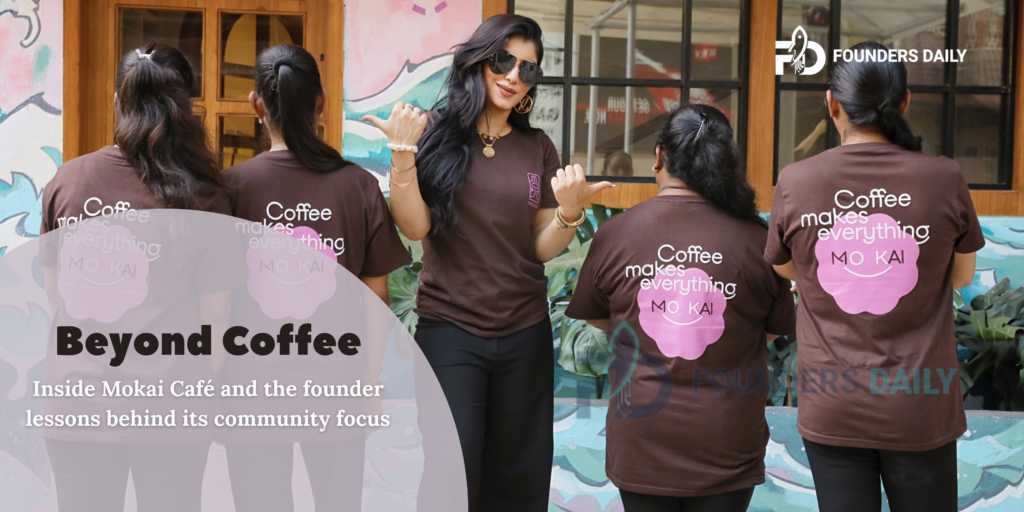
By Kareena Bulchandani, Founder, Mokai Cafe, Mumbai
When Mokai opened its doors on Chapel Road in Bandra in 2024, it entered a neighbourhood already known for its dense café culture. Within a few streets, there are dozens of places offering coffee, food, and social experiences. Entering that environment meant asking a simple but important question: what makes people return to a space again and again?
Over time, building Mokai revealed that running a café is less about menus and interiors, and far more about understanding how people want to feel in a space.
A Café Is Ultimately About People
Many cafés invest heavily in aesthetics, menu innovation, or social media presence. While these factors help attract attention, they rarely sustain long-term loyalty.
What keeps people coming back is something much more human.
Guests are not only looking for good coffee or thoughtfully prepared food. They want to feel comfortable, recognised, and welcome. Over time, Mokai began to attract regular visitors who returned not just for a favourite drink, but for the familiarity of the environment. Conversations, quiet afternoons, creative work sessions, and spontaneous meetings gradually became part of the café’s rhythm.
This experience reinforced an important lesson: hospitality begins with understanding people, not trends.
Also Read: Middle Management Is Breaking: What Comes Next for Modern Organizations
Designing for Presence in a Fast City
Mumbai is a city that rarely slows down. Daily routines are intense, schedules are tight, and spaces that encourage pause are surprisingly rare.
While conceptualising Mokai, we intentionally drew inspiration from café cultures across Japan, Singapore, and parts of Southeast Asia, where cafés often function as spaces for lingering rather than rushing.
Soft lighting, relaxed seating, and an atmosphere that doesn’t push guests to move quickly were small but deliberate decisions. The goal was simple: create a place where people could spend time without feeling pressured by the pace of the city around them.
In many ways, cafés today are becoming modern “third places”—spaces that exist between home and work where people can connect, reflect, or simply slow down.
Food and Coffee Should Comfort, Not Perform
In recent years, café culture has sometimes leaned toward performance—elaborate plating, experimental menus, and visually driven experiences.
At Mokai, the approach has been different.
The menu takes inspiration from Asian café culture, combining Japanese design sensibilities with Southeast Asian flavour influences. The intention is not to surprise guests with complexity but to offer something that feels familiar, balanced, and comforting.
Coffee remains central to the café’s identity, but it is presented without unnecessary pretension. The focus is on quality and warmth rather than exclusivity.
Because in the end, food and coffee should enhance the experience of a place, not dominate it.
Community Is Built Through Consistency
The hospitality industry often emphasises novelty—seasonal themes, viral dishes, or constantly changing experiences. While those can create short bursts of attention, they rarely build community.
Community grows through consistency.
When people know they will receive the same level of service, atmosphere, and quality each time they visit, trust develops naturally. Over time, Mokai began to feel like a shared neighbourhood space where young professionals, students, and creatives could gather comfortably.
That sense of familiarity is what slowly transforms a café into something more meaningful than a business.
Also Read: Innovation Fails When It Ignores the Market: The Real Cost of Market Blindness
Purpose Shapes Longevity
Even the name Mokai reflects the intention behind the café. “Moka” references the traditional coffee pot, while “Ai” means love in Japanese. Together, the name represents the idea of hospitality rooted in care.
In a competitive environment like Bandra’s café scene, purpose becomes an important anchor. It helps guide decisions, from how a space is designed to how guests are welcomed each day.
Running Mokai has been as much an exercise in understanding people as it has been about running a café. It has reaffirmed that meaningful spaces are those that allow individuals to pause, connect, and feel comfortable being present.
In a city that rarely stops moving, perhaps the most valuable thing a café can offer is simply a place to slow down.