
India’s seafood industry has long faced a persistent challenge—freshness. By the time fish reaches urban markets, it is often stored, frozen, and transported through multiple intermediaries, which can affect both quality and nutritional value.
Delhi-based startup Dam Good Fish is attempting to change that model.
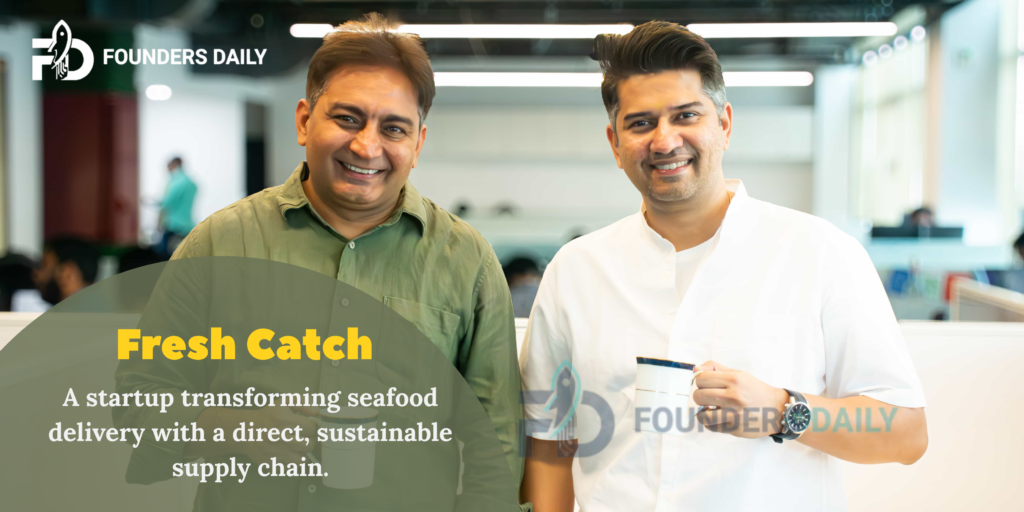
Founded by Shobhit Gaur and Shailesh Patel, the company is building a direct-to-consumer seafood brand that focuses on chemical-free fish sourced directly from dams and delivered fresh to customers.
Identifying a Gap in the Seafood Market
For Shobhit Gaur, the idea for Dam Good Fish began with a simple observation. While visiting traditional fish markets, he noticed how seafood passed through several layers of the supply chain before reaching consumers.
Gaur, a marketing professional who previously served as National Head at a leading advertising agency, believed the system could be improved.
He saw an opportunity to shorten the supply chain and deliver fish that was not only fresher but also sourced more responsibly.
That insight eventually led to the creation of Dam Good Fish, a brand built around the promise of freshness and transparency.
Also Read: Building Mokai in Bandra: What Running a Café Taught Me About People, Presence, and Purpose
Building the Operational Backbone
While Gaur focused on brand vision and market strategy, co-founder Shailesh Patel played a key role in developing the company’s operational systems.
With extensive experience in business operations and supply chain management, Patel helped establish processes for sourcing fish, maintaining quality standards, and managing logistics.
The partnership between the two founders—one focused on marketing and the other on operations—allowed the company to build a balanced foundation for growth.
Sourcing From Dams Instead of Traditional Markets
A key differentiator for Dam Good Fish lies in its sourcing model.
Instead of relying on conventional wholesale markets, the company sources fish directly from dams where fish grow naturally in controlled environments.
This approach allows the company to offer seafood that is chemical-free and naturally raised, avoiding antibiotics often associated with intensive aquaculture.
The result, according to the founders, is fish that reaches customers faster and in fresher condition.
Educating Consumers About Fresh Seafood
One of the early challenges for the startup was consumer awareness.
Many customers are accustomed to buying frozen fish or seafood that has been stored for extended periods. Convincing them about the benefits of fresh, dam-sourced fish required education.
Dam Good Fish invested in content marketing, cooking guides, and educational material to help consumers understand the difference between frozen seafood and freshly sourced fish.
Over time, these efforts helped the brand build credibility among early adopters.
A Direct-to-Consumer Seafood Model
Dam Good Fish operates primarily through a direct-to-consumer (D2C) business model.
Customers place orders through the company’s online platform, allowing the brand to maintain direct relationships with its buyers.
In addition to individual consumers, the company also supplies seafood to restaurants and culinary institutions across the Delhi NCR region.
Customer acquisition strategies include digital marketing, social media engagement, collaborations with chefs, and word-of-mouth referrals from satisfied customers.
Technology Driving Operations
Technology plays an important role in the company’s operations.
From order management to logistics tracking, the startup relies on digital tools to manage its supply chain efficiently and ensure timely deliveries.
This operational efficiency allows the company to maintain the freshness standards that define its brand promise.
Early Growth and Milestones
Since its launch, Dam Good Fish has grown steadily.
The company now serves more than a thousand customers each month in Delhi NCR and has expanded its range of seafood products.
Interestingly, the founders have chosen to grow the business organically, reinvesting profits back into the company rather than raising external funding.
This approach allows them to maintain full control over strategic decisions and focus on long-term sustainability.
Customer Feedback as a Growth Driver
Customer input has played a central role in shaping the company’s product development and service improvements.
The brand regularly collects feedback to refine packaging, delivery processes, and product offerings.
Alongside its commercial operations, Dam Good Fish also publishes educational content explaining its sourcing practices and the benefits of sustainable seafood.
Also Read: The New Playbook for Building Profitable Startups
The Road Ahead
Today, the startup has grown from a small founding team into a workforce of around 20 employees dedicated to building a responsible seafood supply chain.
Looking ahead, the founders aim to scale the brand while maintaining their commitment to sustainability and transparency.
For Gaur and Patel, the mission extends beyond simply selling seafood.
“We want to build a brand that people trust when it comes to freshness, quality, and responsible sourcing,” the founders said.
As consumer awareness around food sourcing continues to grow, companies like Dam Good Fish may play an increasingly important role in reshaping how seafood reaches the table.